
Many people think of hearing loss as a personal health issue—but the truth is that hearing loss and relationships are closely connected. When hearing loss goes untreated, it can affect communication, emotional connection, and even trust between partners, family members, friends, and coworkers.
Unfortunately, hearing loss often develops gradually. Because of this, many people either don’t realize how much their hearing has changed or prefer to ignore the signs. While this is understandable, untreated hearing loss can slowly create frustration and distance in everyday interactions.
The good news is that early diagnosis and treatment can protect your relationships, improve communication, and enhance your overall quality of life. With the help of the audiologists at Advanced Hearing Group in Mesa and Scottsdale, you can take steps toward better hearing and stronger connections with the people around you.
The Hidden Connection Between Hearing Loss and Relationships
Communication is the foundation of every relationship. Whether you’re talking with your spouse, laughing with friends, collaborating with coworkers, or interacting with strangers, clear communication helps build understanding and trust.
When hearing loss enters the picture, communication can become more difficult.
Common communication challenges caused by hearing loss include:
- Frequently asking others to repeat themselves
- Misunderstanding conversations
- Missing important parts of discussions
- Struggling to follow conversations in noisy environments
- Turning the TV or phone volume up too high
Over time, these communication breakdowns can lead to frustration for both the person with hearing loss and the people around them.
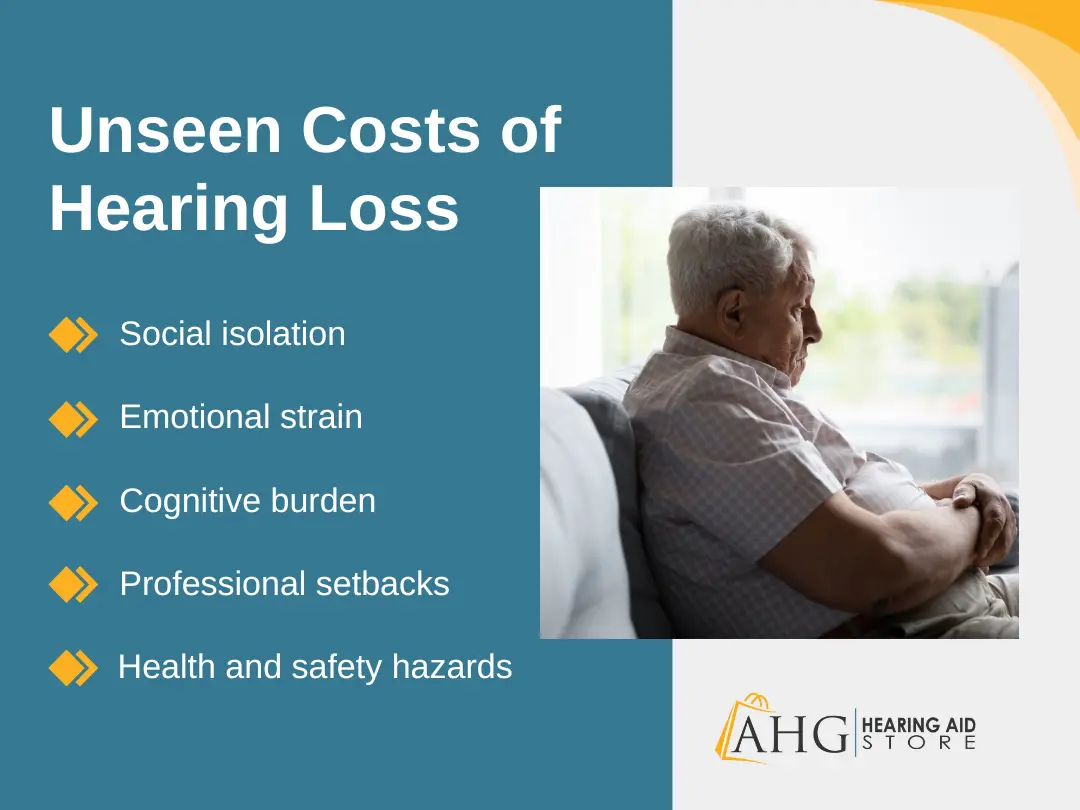
How Untreated Hearing Loss Can Affect Different Relationships
Romantic Partners and Spouses
When one partner has untreated hearing loss, everyday conversations can become challenging. A spouse may feel ignored or believe their partner isn’t paying attention.
Common issues couples experience include:
- Miscommunication and repeated arguments
- Feeling emotionally disconnected
- Frustration about repeating things multiple times
- Avoiding conversations altogether
Over time, small misunderstandings can build into larger relationship problems.
Family Relationships
Hearing loss can also affect relationships with children, grandchildren, and extended family.
A parent or grandparent with untreated hearing loss may:
- Miss parts of conversations during family gatherings
- Struggle to hear younger voices
- Feel embarrassed asking people to repeat themselves
- Withdraw from family interactions
This can create emotional distance, even when everyone involved wants to stay connected.
Friendships and Social Life
Social settings are often the most difficult environments for people with hearing loss. Restaurants, parties, and group conversations can make it especially hard to follow what others are saying.
As a result, some people begin to:
- Avoid social gatherings
- Decline invitations
- Feel left out during conversations
- Experience embarrassment or anxiety in social situations
Over time, untreated hearing loss can lead to social isolation, which can negatively affect both mental health and relationships.
Workplace Communication
Hearing loss can also impact professional relationships with coworkers, supervisors, and clients.
In the workplace, hearing difficulties can cause:
- Missed information during meetings
- Miscommunication with colleagues
- Difficulty hearing instructions
- Reduced confidence during conversations
Some people may even worry that hearing loss could affect their job performance or career advancement.
Everyday Interactions With Strangers
Even brief interactions, such as ordering food, asking for directions, or speaking with customer service staff, can become stressful when hearing loss is present.
When communication becomes difficult, people may feel embarrassed or frustrated, leading them to avoid conversations whenever possible.
Why Early Hearing Loss Treatment Matters For Relationships and Overall Quality of Life
The longer hearing loss goes untreated, the more it can affect communication habits and relationships.
Early diagnosis and treatment of hearing loss provide several important benefits:
Better Communication
Treating hearing loss helps restore clarity in conversations, making it easier to understand speech and respond naturally.
Stronger Relationships
When communication improves, relationships often improve as well. Family members and friends feel heard and understood again.
Improved Mental and Emotional Well-Being
Untreated hearing loss has been linked to increased risk of:
- Social isolation
- Anxiety
- Depression
Addressing hearing loss can help people stay connected and engaged with the world around them.
Related article: Can Hearing Aids Improve Your Mood? The Emotional Benefits of Better Hearing
Better Hearing Outcomes
Early treatment often leads to better long-term hearing success. When hearing aids or other solutions are introduced earlier, the brain can adapt more easily to amplified sound.
Common Barriers That Prevent People From Seeking Hearing Loss Treatment
Even when hearing loss begins affecting relationships, many people still hesitate to schedule a hearing test. Several common concerns contribute to this delay.
Stigma Around Hearing Loss
Some people associate hearing aids with aging or worry about how they will look to others. In reality, modern hearing aids are smaller, more advanced, and more discreet than ever before.
Today’s technology often includes:
- Nearly invisible designs
- Rechargeable batteries
- Smartphone connectivity
- Advanced background noise reduction
Concerns About the Cost of Treatment or Hearing Devices
Another common concern is the cost of hearing aids. While hearing technology is an investment, many people are surprised to learn that there are a variety of options available at different price points.
An audiologist can help determine which solution best fits both your hearing needs and your budget.
Related article: How to Pay for New Hearing Aids: What to Know Before You Buy
Not Realizing How Much Hearing Has Changed
Because hearing loss often progresses slowly, many people simply adapt without realizing how much they are missing.
You may benefit from a hearing evaluation if you notice signs such as:
- Frequently asking people to repeat themselves
- Difficulty hearing in noisy environments
- Turning up the TV volume more than others prefer
- Trouble hearing on the phone
- Feeling exhausted after conversations
Related article: 10 Signs You May Need a Hearing Test

What Happens During a Hearing Evaluation?
At Advanced Hearing Group, our audiologists provide comprehensive hearing evaluations designed to identify the cause and severity of hearing changes.
Watch this video to learn exactly what to expect:
Your appointment typically includes:
- A Discussion About Your Medical History – We review current and past medical history, medications, and hearing concerns to understand potential contributing factors.
- A Comprehensive Hearing Test – A hearing test measures your ability to hear different tones and speech sounds, helping us identify any hearing loss.
- A Personalized Treatment Plan – If hearing loss is present, we will discuss solutions that may include:
- Hearing aids
- Assistive listening devices
- Communication strategies
- Ongoing hearing care and monitoring
Our goal is to help you hear more clearly and reconnect with the people who matter most.
Stronger Relationships Start With Treating Hearing Loss—Schedule Your Hearing Evaluation Today
If you’re concerned about hearing loss and relationships, a professional hearing evaluation can provide the answers you need. Whether you’ve noticed communication becoming more difficult, or if loved ones have mentioned concerns about your hearing, it may be time to take the next step.
Addressing hearing loss early can help you:
- Strengthen relationships
- Improve communication
- Stay socially active
- Enjoy a higher quality of life
And the caring audiologists at Advanced Hearing Group are here to help.
Contact our Mesa or Scottsdale offices to schedule your hearing test today. Our experienced audiologists will evaluate your hearing, review your medical history, and recommend personalized solutions—including hearing aids when appropriate.
Better hearing can mean more meaningful conversations, stronger relationships, and a fuller life … start by taking control of your hearing health now!