
If you’re experiencing ringing, buzzing, hissing, or roaring in your ears, you’re not alone. Millions of Americans live with tinnitus every day and many are surprised to learn that hearing aids and tinnitus treatment are often closely connected.
Here, we’ll explain what tinnitus is, what causes it, available treatment options, and how hearing aids for tinnitus may provide meaningful relief. We’ll also discuss how the audiologists at Advanced Hearing Group can help you find the best solution for your unique hearing needs.
What Is Tinnitus?
Tinnitus is the perception of sound in the ears or head when no external sound is present. People commonly describe tinnitus as:
- Ringing
- Buzzing
- Humming
- Hissing
- Whistling
- Roaring
Tinnitus can be constant or intermittent, mild or severe. For some, it’s a minor annoyance. For others, it can interfere with sleep, concentration, mood, and overall quality of life.
It’s important to understand that tinnitus is not a disease itself — it’s a symptom of an underlying issue, often related to the auditory system.
Common Causes of Tinnitus
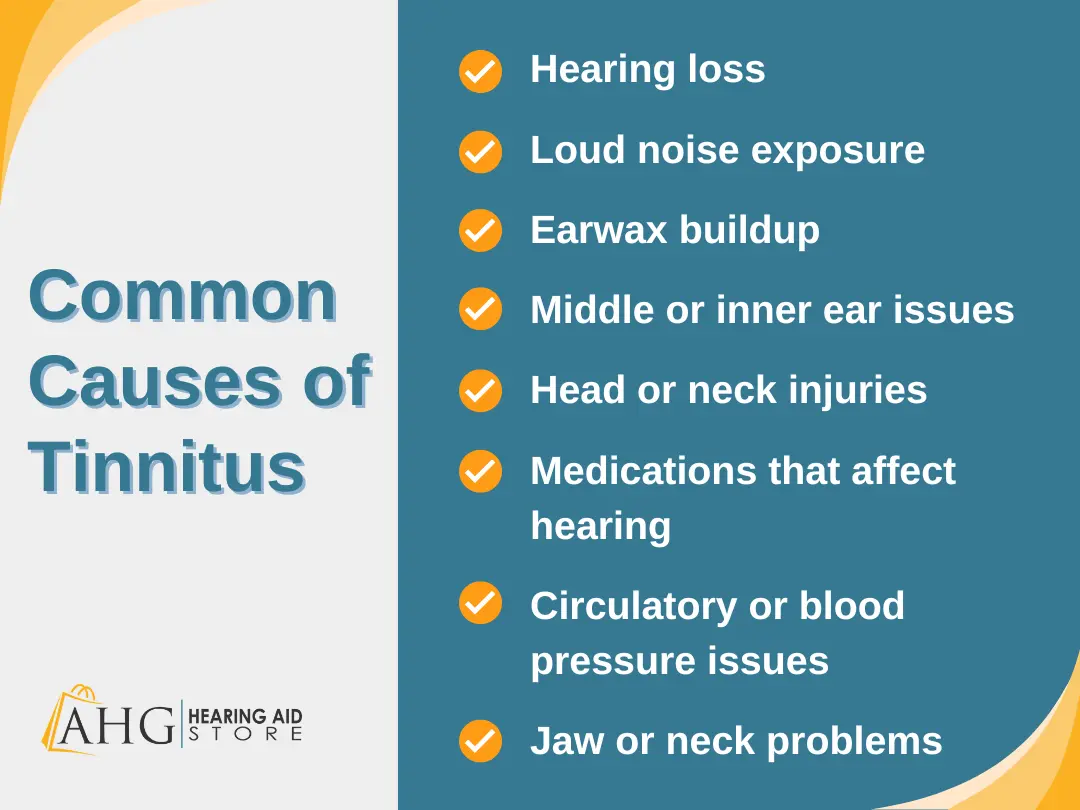
Understanding the root cause of tinnitus is essential for effective treatment. Some of the most common causes include:
- Hearing Loss
The majority of tinnitus cases are associated with sensorineural hearing loss. When the inner ear’s delicate hair cells are damaged, the brain may compensate by creating phantom sounds, or what you perceive as tinnitus.
- Noise Exposure
Exposure to loud environments, such as concerts, machinery, firearms, or even prolonged headphone use, can damage hearing and trigger tinnitus.
- Aging
Age-related hearing loss (presbycusis) often goes hand-in-hand with tinnitus.
Related article: Hearing Loss and Aging: Essential Information for Seniors
- Earwax Blockage
A buildup of earwax can irritate the eardrum or block sound, sometimes contributing to tinnitus symptoms.
Related article: What’s the Difference Between Hearing Loss and Earwax Buildup?
- Medical Conditions
Certain medical conditions may contribute to tinnitus, including:
- High blood pressure
- Circulatory disorders
- TMJ disorders
- Head or neck injuries
A comprehensive hearing evaluation is critical to determine the underlying cause.
Related article: Vaping and Tinnitus: Understanding the Potential Impact on Your Hearing
Why Hearing Aids and Tinnitus Are Closely Linked
Many people are surprised to learn how often hearing aids and tinnitus management go together.
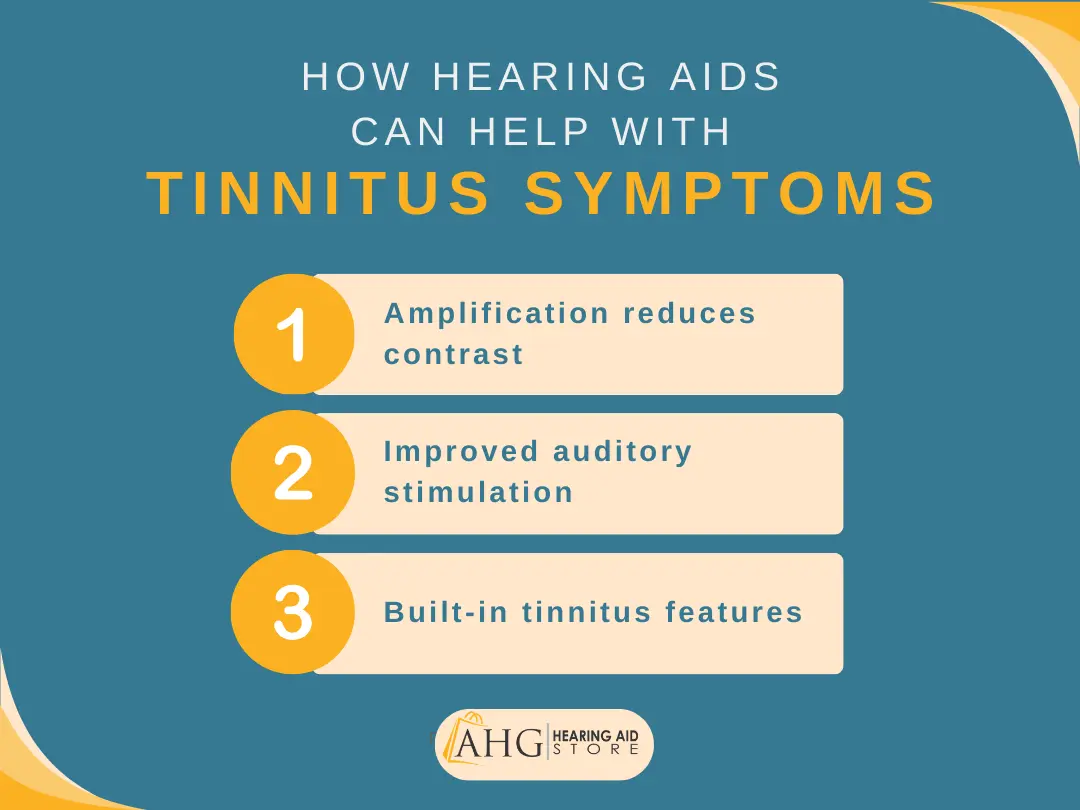
Because tinnitus is frequently linked to hearing loss, treating the hearing loss can reduce tinnitus perception. Here’s how:
- Amplification Reduces Contrast
When you have hearing loss, external sounds are reduced. This makes tinnitus seem louder by comparison. Hearing aids amplify environmental sounds, which can help “mask” or blend tinnitus into the background.
- Improved Auditory Stimulation
Hearing aids stimulate the auditory pathways in the brain. This increased stimulation can reduce the brain’s need to “fill in the gaps” with phantom sounds.
- Built-In Tinnitus Features
Many modern hearing aids include specialized tinnitus relief programs such as:
- White noise generators
- Ocean wave sounds
- Customizable masking tones
These features can be programmed specifically to match your tinnitus profile.
Other Effective Treatment Options for Tinnitus
While hearing aids for tinnitus are highly effective for many people, treatment plans vary depending on the cause and severity.
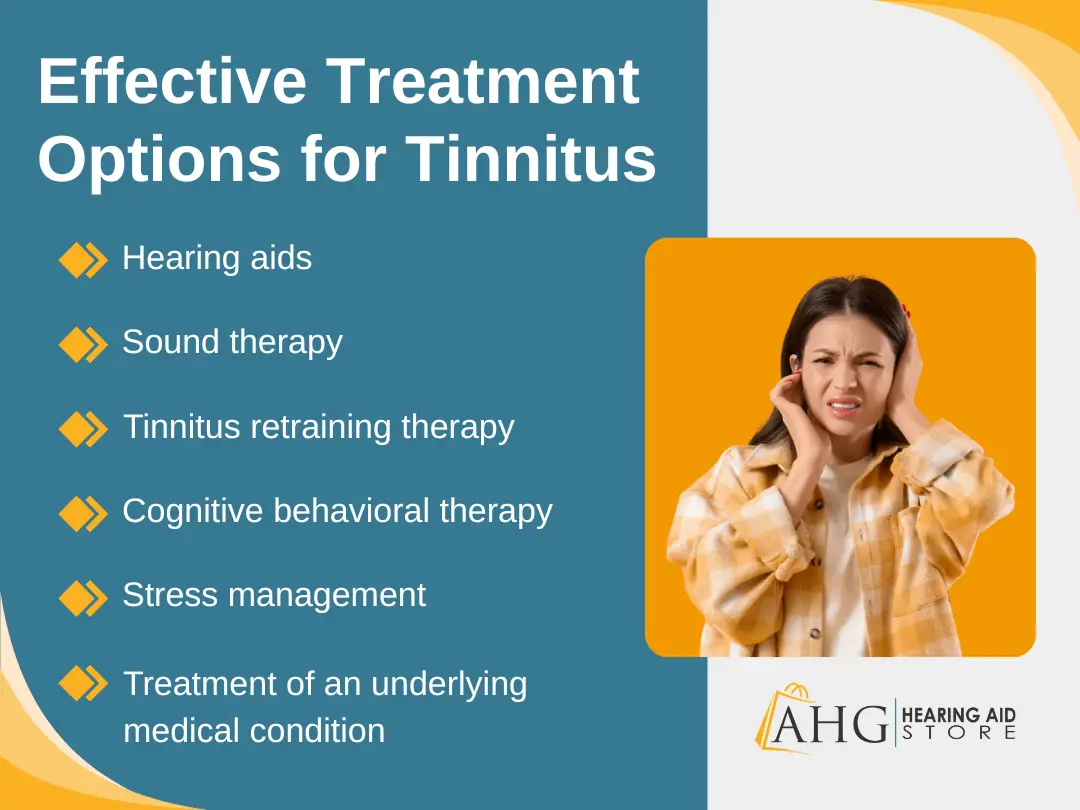
Common tinnitus management strategies include:
Sound Therapy
Using background noise (fans, white noise machines, soft music) to reduce the perception of tinnitus.
Tinnitus Retraining Therapy (TRT)
A structured approach combining sound therapy and counseling to retrain the brain’s response to tinnitus.
Cognitive Behavioral Therapy (CBT)
CBT can help reduce the emotional distress associated with tinnitus.
Stress Management
Stress often worsens tinnitus. Techniques such as mindfulness, exercise, and an improved sleep routine can help.
Related article: Stress and Hearing Loss: How Emotional Strain Can Affect Your Ears and What to Do About It
Medical Evaluation
If tinnitus is linked to an underlying medical issue, treating that condition may reduce symptoms.
The key is personalized care — there is no one-size-fits-all solution.
Are Hearing Aids Right for YOUR Tinnitus?
Not everyone with tinnitus needs hearing aids. However, if tinnitus is accompanied by hearing loss (even mild hearing loss), hearing aids can often provide significant relief.
Signs you may benefit from hearing aids and tinnitus treatment include:
- Difficulty hearing conversation
- Turning up the TV volume frequently
- Ringing or buzzing that becomes more noticeable in quiet environments
- Trouble understanding speech in noisy settings
A comprehensive hearing evaluation with an audiologist can determine whether hearing aids are appropriate for you.
Choosing the Best Hearing Aids for Tinnitus
When selecting hearing aids for tinnitus, several factors matter:
- Degree and type of hearing loss
- Tinnitus pitch and intensity
- Lifestyle and daily listening environments
- Comfort and fit preferences
- Technology features and budget
Modern prescription hearing aids are highly customizable. Advanced digital processing, smartphone connectivity, rechargeable options, and tinnitus therapy programs allow for tailored treatment.
Working with an experienced audiologist ensures your hearing aids are programmed correctly, a critical component for tinnitus relief.
Related article: ENT or Audiologist for Tinnitus: Who Should You See First?
Looking for the Best Hearing Aids? Learn How Advanced Hearing Group Can Help
At Advanced Hearing Group, we specialize in comprehensive hearing evaluations and personalized tinnitus management plans.
Our audiologists take the time to:
- Conduct detailed hearing testing
- Evaluate your tinnitus symptoms
- Identify underlying causes
- Discuss all available treatment options
- Customize hearing aids specifically for tinnitus relief
We understand that tinnitus can be frustrating and sometimes overwhelming. Our goal is to help you regain control, improve your hearing, and enhance your quality of life.
Whether you need advanced hearing aids with tinnitus features or a broader tinnitus management plan, we’ll guide you every step of the way.
While tinnitus may be common, that doesn’t mean you have to live with it untreated. The connection between hearing aids and tinnitus offers real hope for many individuals struggling with persistent noise in their ears.
If you’re experiencing tinnitus or suspect hearing loss, scheduling a professional evaluation with our audiologists is the first step toward relief.
The team at Advanced Hearing Group is here to help you find the best hearing aids for tinnitus and develop a personalized plan that fits your hearing needs and lifestyle.
You don’t have to manage tinnitus alone — effective solutions ARE available!